Our theme for 2026 is Building Bridges: Linking Local Foundations to Global Horizons
2026 Schedule
Warning: Undefined array key "adjust_timezone" in /home/neoeruma/public_html/wp-content/plugins/conference-scheduler/conf-scheduler.php on line 128
Warning: Undefined array key "adjust_timezone" in /home/neoeruma/public_html/wp-content/plugins/conference-scheduler/conf-scheduler.php on line 128
Warning: Undefined array key "adjust_timezone" in /home/neoeruma/public_html/wp-content/plugins/conference-scheduler/conf-scheduler.php on line 128
Warning: Undefined array key "adjust_timezone" in /home/neoeruma/public_html/wp-content/plugins/conference-scheduler/conf-scheduler.php on line 128
Warning: Undefined array key "adjust_timezone" in /home/neoeruma/public_html/wp-content/plugins/conference-scheduler/conf-scheduler.php on line 128
Warning: Undefined array key "adjust_timezone" in /home/neoeruma/public_html/wp-content/plugins/conference-scheduler/conf-scheduler.php on line 128
Warning: Undefined array key "adjust_timezone" in /home/neoeruma/public_html/wp-content/plugins/conference-scheduler/conf-scheduler.php on line 128
Warning: Undefined array key "adjust_timezone" in /home/neoeruma/public_html/wp-content/plugins/conference-scheduler/conf-scheduler.php on line 128
Warning: Undefined array key "adjust_timezone" in /home/neoeruma/public_html/wp-content/plugins/conference-scheduler/conf-scheduler.php on line 128
Warning: Undefined array key "adjust_timezone" in /home/neoeruma/public_html/wp-content/plugins/conference-scheduler/conf-scheduler.php on line 128
Warning: Undefined array key "adjust_timezone" in /home/neoeruma/public_html/wp-content/plugins/conference-scheduler/conf-scheduler.php on line 128
Warning: Undefined array key "adjust_timezone" in /home/neoeruma/public_html/wp-content/plugins/conference-scheduler/conf-scheduler.php on line 128
Warning: Undefined array key "adjust_timezone" in /home/neoeruma/public_html/wp-content/plugins/conference-scheduler/conf-scheduler.php on line 128
Warning: Undefined array key "adjust_timezone" in /home/neoeruma/public_html/wp-content/plugins/conference-scheduler/conf-scheduler.php on line 128
Warning: Undefined array key "adjust_timezone" in /home/neoeruma/public_html/wp-content/plugins/conference-scheduler/conf-scheduler.php on line 128
Wednesday 25 Mar 2026
10:00 am - 10:45 am 20260325-1000
AI Killed OER... Long Live OER!
Dr. Royce Kimmons
As AI continues its disruptive influence on society, many have claimed OER's rapid fall into irrelevancy. After all, if AI can generate relevant, localized, high-quality content on-the-fly, then why would we need static content in the form of OER? This view, however, ignores the unique potentials OER offers for meaningfully shaping our AI future. Rather than an either-or between AI and OER, a model of AI+OER helps us address some of the core challenges and limits of AI, including inequity, opaqueness, bias, degradation, and unsustainability. Rather than AI killing OER, it may be that OER gives AI the ethical and practical structure it needs to truly impact education for good.
11:00 am - 11:45 am 20260325-1100
Panel: Resilient OER production: Governance in Low-tech and Connectivity Context
Mona Laroussi, Balira Ousmane Konfe, Youssouf Ouattara, Léonie Marin
In many low- and middle-income countries, 260 million children remain out of school and internet access reaches only 33% in sub-Saharan Africa, limiting OER. This panel explores a collaborative governance of OERs, linking local initiatives (OER in national languages, offline access solutions) to global standards and policies. Two targeted interventions (OER strategy and digital accessibility) lead to the co-creation of customized governance frameworks, aligned with the theme "Building Bridges: Local Foundations to Global Horizons".
12:00 pm - 12:45 pm 20260325-1200
Beyond AI Slop: Building Pedagogically Sound Open Resources with AI
Christopher Staniszewski and Santosha Adhibhatta
This project demonstrates how artificial intelligence can be leveraged to create high-quality, openly licensed ancillary materials for College Algebra. Through the CA ROTEL grant, we developed a comprehensive resource aligned with College Algebra (OpenStax), including approximately 500 multiple-choice questions and 70 applied word problems. AI tools were used not only to generate and refine content but also to translate problems into multiple formats (LaTeX, Excel) and randomize answer choices, ensuring adaptability for diverse teaching contexts. These materials have been uploaded to OER Commons and integrated into platforms such as GimKit to enhance student engagement. Our approach highlights that AI can support the creation of robust, pedagogically sound OER—avoiding the pitfalls of low-quality “AI slop”—while reducing costs and increasing accessibility. We will share our workflow, lessons learned, and strategies for responsibly incorporating AI into OER development.
Panel: Enhancing Student Learning with Pressbooks Results: Insights from Faculty Users
Steel Wagstaff, Philip Sookram, Kate Neff, Alicia Tucker
As instructors seek more effective ways to engage students and make learning visible, tools that integrate seamlessly into course materials are increasingly valuable. This session showcases how faculty are using Pressbooks Results to design interactive, gradeable learning activities and gain actionable insights into student engagement and performance.
The session will begin with a brief show-and-tell demonstration of Pressbooks Results, highlighting how instructors can create H5P activities, configure graded chapters, and sync assignments directly with their LMS gradebook. A faculty panel featuring instructors from diverse disciplinary contexts will then share why they adopted Pressbooks Results, the pedagogical challenges they aimed to address, and the impact on course design and student learning. Panelists will discuss real-world use cases, lessons learned, and practical strategies for implementation.
Designed for instructors, instructional designers, librarians, this session offers concrete examples and takeaways for anyone exploring more data-informed, engaging approaches to teaching with open and digital course materials.
1:30 pm - 2:15 pm 20260325-1330
Guided, Ethical, and Transparent: Teaching Research Writing with AI
Danielle Santos
This presentation will showcase an Open Educational Resource (OER) project developed through a CA-Rotel grant for College Writing II at UMass Lowell. The project, published on OER Commons, centers on a scaffolded research paper assignment that integrates generative AI as both a teaching tool and an object of critical inquiry. I will demonstrate how I used AI to design instructional materials and guided exercises that support students at multiple stages of the research process, including topic development, source analysis, synthesis, and revision. In addition, the presentation will highlight how students themselves engaged with AI tools in structured, transparent ways, with an emphasis on reflection. Students were asked to critically evaluate the usefulness, clarity, limitations, and ethical implications of AI-generated output in an academic context. The presentation will provide concrete examples, adaptable activities, and strategies for ethically incorporating AI into writing instruction while fostering metacognition and academic integrity.
Preparing for the Future of Work: Communications between Workforce and OER
Mindy Newfarmer
Understanding the challenges in connecting the value of OER to counterparts in workforce and industry is a focal point for the DOERS3 Innovation Working Group. This session will highlight the process undertaken, starting with a collaborative workshop at OpenEd 2025, through focus groups in early 2026, to the ongoing development of a playbook for those interested in making these connections.
2:30 pm - 4:00 pm 20260325-1430
French ministerial roadmap for digital technology in higher education: measures for open educational resources and open education
Luc Massou
The French ministerial roadmap 2023-2027 for digital technology in higher education sets out 26 measures aimed at strengthening five principles: sovereignty, security, digital responsibility, open data, and the use of cloud computing. Among these, measures 9 and 10 focus on promoting open educational resources (OER) and developing a national strategy for open education. These actions are coordinated by Luc Massou (General Direction for Higher Education and Professional Integration, France) and Pierre Boulet (University of Lille, France) within the framework of the Digital Committee for Student Success and Institutional Agility (COREALE), whose role is to steer digital transformation and promote student success. This presentation addresses the foundations, operating methods, stakeholders and initial recommendations from measures 9 and 10.
Workshop: Designing Inclusive OER with AI: Applying Universal Design for Learning (UDL) Principles to Create Accessible, Adaptive Resources
Florencia Gabriele
This interactive workshop explores how Artificial Intelligence (AI) and Universal Design for Learning (UDL) can work together to create more inclusive, accessible, and adaptive Open Educational Resources (OER). Participants will learn how to integrate AI tools to design flexible learning materials that address diverse learner needs, promote engagement, and remove barriers to access. Through hands-on activities, attendees will explore practical strategies for using AI to support UDL principles, such as personalization, multiple means of representation, and accessible content creation. The workshop will also address ethical considerations, open licensing, and ways to maintain equity in education while leveraging emerging technologies. Faculty, instructional designers, and administrators will leave with actionable steps to implement AI-driven UDL strategies in their teaching practices and open education initiatives, fostering innovation and inclusion in both local and global learning environments. Take ideas that you can use immediately in your class!!!
3:30 pm - 4:15 pm 20260325-1530
Open, Ethical, and Human-Centered: Rethinking AI Use in Open Educational Practices
Tonekia Phairr
As artificial intelligence (AI) increasingly intersects with open educational practices, educators are challenged to reconcile innovation with the foundational values of openness, equity, transparency, and learner agency. While AI tools offer new possibilities for content creation, feedback, and instructional efficiency, their use within open education contexts raises important questions related to authorship, accessibility, bias, and instructional integrity.
This presentation explores how ethical, human-centered AI integration can support open pedagogy while remaining aligned with the principles that underpin open educational resources (OER) and open educational practices. Grounded in instructional design and open education frameworks, the session emphasizes educator decision-making rather than tool adoption, highlighting how AI can be used to enhance—rather than undermine—open access, learner participation, and transparency.
Participants will examine practical instructional scenarios drawn from open education and teaching contexts, analyzing when AI use supports openness and when it conflicts with open values. The session will address strategies for maintaining transparency in AI-assisted content creation, preserving learner agency, and ensuring equitable access in open learning environments. Attention will also be given to the role of educators, librarians, and instructional designers in modeling responsible AI use for students and stakeholders.
By the conclusion of the session, participants will leave with a practical decision-making framework and guiding questions they can apply to OER initiatives, course design, and instructional leadership work. This presentation is designed for faculty, librarians, instructional designers, administrators, and others seeking to integrate AI responsibly while remaining firmly grounded in open education principles.
What Should We Study Next? A National Research Agenda for Open Education
Kate Baca, Ph.D. and Amanda Coolidge
The National Consortium for Open Educational Resources (NCOER)—a collaboration of the four regional higher education compacts—recently developed a national research agenda to guide future inquiries in open education. This session will highlight key research gaps identified through this effort and discuss how the agenda can inform policy, practice, and investment in OER. Participants will identify priority research questions and consider how the agenda can shape their own research, initiatives, or partnerships.
Thursday 26 Mar 2026
9:00 am - 9:45 am 20260326-0900
Connecting through openness: A story of collaboration and growing impact
Chrissi Nerantzi and Stephanie Gottwald
This contribution explores how The Imaginative Curriculum Research and Scholarship Centre and Curious Learning, both committed to open education, found common ground and began collaborating. United by shared values of creativity, curiosity, and equity, we discovered that openness is the social glue that connects our work and aspirations. Our first joint initiative, “Together”, is an existing open book funded by GO-GN, now being developed into an interactive format for young readers in over 20 languages. This project exemplifies our commitment to co-creating OER that transcend boundaries and foster global learning opportunities. In this presentation, we will share the story of how we came together, what binds us, and what we hope to achieve through future collaborations. By combining imaginative curriculum design with scalable literacy solutions, we aim to inspire educators and learners worldwide to embrace openness as a catalyst for transformation.
Workshop: Empowering Students as OER Advocates Through Action Plans
Nicolas Simon, Erin Clark, Sydney Dameron, Audrey-Anne Pothier, Lillian Sharpe, Vanessa Sotelo, Asher St. George-Crouch
Note: this session will not be recorded
In this workshop, students and their faculty member will present two activities developed through an OER-enabled pedagogy approach in a sociology course titled The Community: the Student OER Action Plan and the Fight Automatic Textbook Billing Action Plan. Rather than positioning students as passive recipients of open educational resources, these activities were intentionally designed to center student agency and empowerment, enabling students to take meaningful action on their own campuses.
The workshop will introduce the activity and the openly licensed materials created for reuse by faculty, librarians, student organizations, and student governments across institutions. Participants will engage in small virtual breakout rooms to interact directly with the student creators, ask questions, and explore how these activities can be adapted to their own campuses.
The session will conclude with a facilitated discussion focused on sustaining student-led OER advocacy and cultivating the next generation of student leaders committed to equity, affordability, and open education.
10:00 am - 10:45 am 20260326-1000
Panel: Cross-Institutional Collaboration as OER Catalyst: Developing an OER on AI for Higher Education Instructors
Fang Yi , Jessica Taggart, Mickel Bethany, Katya Koubek, Sevinj Iskandarova
As artificial intelligence becomes increasingly embedded across disciplines, higher education faces new pedagogical, ethical, and practical challenges. Educators have been asked to cultivate both their own and their students’ AI literacy simultaneously, yet many feel unprepared to do so.This panel presents how cross-institutional collaboration can serve as a catalyst to OER development that meets the diverse needs of instructors in a time of pedagogical disruption. We—a faculty developer, an instructional designer and technologist, an OER librarian, and faculty across multiple Virginia institutions— will discuss the benefits and challenges of cross-institutional collaboration when developing OER on AI for higher education instructors, and lessons learned for how to do this effectively. Additionally, we will reflect on our distinct roles and perspectives and share key takeaways from the collaboration.
11:00 am - 11:45 am 20260326-1100
Bridge to Nowhere?: Reflecting on the Challenges of Open Pedagogy and Renewable Assignments
Justin Savage, Catherine Keohane, and Jennie Snow
A common instrument in Open Pedagogy, renewable assignments cast students as knowledge-creators rather than knowledge-consumers. This presentation focuses on two Open pedagogy-inspired course redesigns, each featuring a renewable assignment that students were invited to openly share with a Creative Commons license: a First-Year Writing course centered on carcerality, and a Western Humanities course focused on the 1400s-1800s. As their courses progressed, the instructors noticed roadblocks along the way–algorithmic biases, cognitive overload, reluctance to share. In this presentation, these instructors, along with a librarian collaborator, will explore how and why these renewable assignments often fall flat. While scholars have noted the potential burdens these assignments may pose to students around imposter syndrome, what other assumptions might instructors bring to their renewable assignments? How can we better understand students’ hesitancy to license their projects? How can we get students to cross the bridge to licensing their work?
Scaling Open Collaboration: How the EduWiki Hub Connects Local Education Initiatives to Global Open Knowledge
Barakat Adegboye and Bukola James
The EduWiki Hub, an initiative of the Wikipedia & Education User Group, fosters global collaboration among educators, Wikimedians, and open-education advocates to advance access to free knowledge. This presentation explores how the Hub builds bridges between local education initiatives and the global open-education movement through mentorship, community support, and technical infrastructure. Drawing from recent programs, it showcases practical models for connecting educators with Wikimedia projects, documenting open educational resources (OER), and strengthening community capacity through peer-led collaboration. Participants will gain insights into scalable approaches that transform isolated educational efforts into sustainable, interconnected ecosystems. The session will highlight lessons learned from EduWiki’s global network and demonstrate how collective engagement drives innovation, equity, and long-term impact in open education.
12:00 pm - 12:45 pm 20260326-1200
Old Stone Walls: Connecticut-wide Initiatives to Break Down OER Barriers
Patrick Carr
In 2019, the Connecticut General Assembly passed legislation to form the CT Open Educational Resources Coordinating Council (https://www.ctoer.org/council), which is charged with advancing the uses and impacts of OER in the state’s colleges and universities. This presentation will discuss how the council is striving to lead statewide effort to overcome barriers to OER adoption in Connecticut. Areas of focus will include the council’s grant program, OER Model Policy, institutional surveys, automatic textbook billing factsheet, and annual summits. Additionally, the presentation will address the council’s effort to restore state funding in support of OER.
Panel: Catching the Right Waves: Navigating forces and trends that shape the impact of open education
Amanda Coolidge, Kevin Corcoran, Brittany Dudek, Zach Claybaugh, and Michael Mills
As open education practitioners and advocates, we function everyday in environments awash with change. This session invites panelists and audience members to consider the forces and trends shaping the education sector today and how they are impacting the work of open education. Which trends do you categorize as tsunamis that demand preparedness and a proactive response plan? Which trends offer a perfect wave to advance open education impact? Which forces do you categorize as “sneaker waves” that could appear suddenly and threaten to knock things off course? Whether you’re an open education program lead or a practitioner incorporating OER into your classroom or learning materials, this session invites you to compare notes with peers operating in a common landscape. Join this participatory session to think strategically about the forces impacting open education and its goals to improve access to learning, affordability, and student success.
1:30 pm - 2:15 pm 20260326-1330
Keynote Panel: Sustainable by Design: Confronting Burnout and Vocational Awe in Open Education
Dr. Stacy Giufre, Dr. Andrew McKinney, and Dr. Stacy Ybarra
Open educational resources (OER) hold enormous potential, yet the practitioners who make this work possible are increasingly operating at a breaking point. Higher education faculty, librarians, and administrators are navigating a fraught political climate at both the national and global levels. This is in addition to shrinking budgets, increasing institutional demands and the excruciating weight of vocational awe: the deeply held belief that the mission is too important to protect yourself from it. This panel brings together three practitioners working across distinct institutional contexts, a research university language program, a large urban public university system, and a community college teaching and learning center, to speak candidly about what sustainable OER practice actually looks like from the inside. Drawing on firsthand experience authoring open textbooks, building system-wide OER infrastructure, and supporting faculty through rapid technological and pedagogical change, panelists will address the personal and structural dimensions of burnout in open education, offering ideas for recognizing burnout, strategies for building programs with sustainability as a foundational value, and a shared language for advocating to administrators on behalf of the people doing this work.
2:30 pm - 3:15 pm 20260326-1430
Building Bridges for Open Education: Connecting Northeast Practice to National Impact
Gabby Hernandez
The Open Education Association is a new national organization designed to strengthen coordination, advocacy, and shared resources across the open education field. To be effective, national efforts must be grounded in and responsive to local and regional work. In this interactive session, we’ll work with the Northeast OER community to explore how local foundations can connect to broader national and global open education efforts.
Public Scholarship as Agency: Giving Undergraduate Students a Voice in the Crises of our Times
Marja Bakermans and Geoff Pfeifer
Students today face unprecedented global challenges in political, economic, social, and environmental issues. Open educational practices can facilitate student collaboration, learning, and increase their participation in education and the world around them by giving them agency in the face of mounting crises. These practices can also connect them to communities around them in ways that further these opportunities. How do we facilitate public scholarship of undergraduate students? In this presentation, we will share our experience with supporting students as co-authors of open texts in Pressbooks while exploring some of humanity’s greatest problems. We will provide background and context of this work, but we will also leverage real-time collaboration with participants to enhance the discussion. We will also provide participants with a customizable blueprint for how we do this work - both for managing teamwork and for the other aspects of producing OER texts.
3:30 pm - 4:15 pm 20260326-1530
Customizing OER to prepare students for tomorrow’s workforce
Lindsay Josephs
Across disciplines and institutions, instructors face growing challenges regarding student engagement and academic integrity. These challenges are compounded by the emergence of artificial intelligence and shifting workforce needs. Our workforce requires students to develop an ever-increasing set of skills in order to obtain entry-level jobs. Traditional print textbooks and resources cannot keep pace with these shifts, but OER can!
Drawing on data from the World Economic Forum’s 2025 Future of Jobs Report, this session highlights the skills and competencies increasingly valued by employers worldwide. We’ll then share practical strategies for customizing OER to support skill development, respond to emerging technologies, and meet local and industry-specific needs — all while maintaining academic rigor and relevance. Participants will leave with a clearer understanding of how to customize OER to better align classroom learning with real-world workforce expectations.
From Access to Equity: The Role of OER and Technology in Higher Education
Leslie Forehand
Rising textbook costs and uneven access to technology continue to limit student success, especially in community colleges. This session presents findings from a Delphi study examining how Open Educational Resources (OER) and equitable technology access shape student learning and institutional effectiveness. Through interactive discussion, small-group case scenarios, and real-time polling, participants will explore barriers such as hidden digital costs, inconsistent faculty support, and gaps in campus technology infrastructure. Together, we will surface practical strategies that strengthen OER adoption, promote equitable access, and improve student outcomes.
2026 Keynotes
Keynote Speaker, Wednesday, 3/25
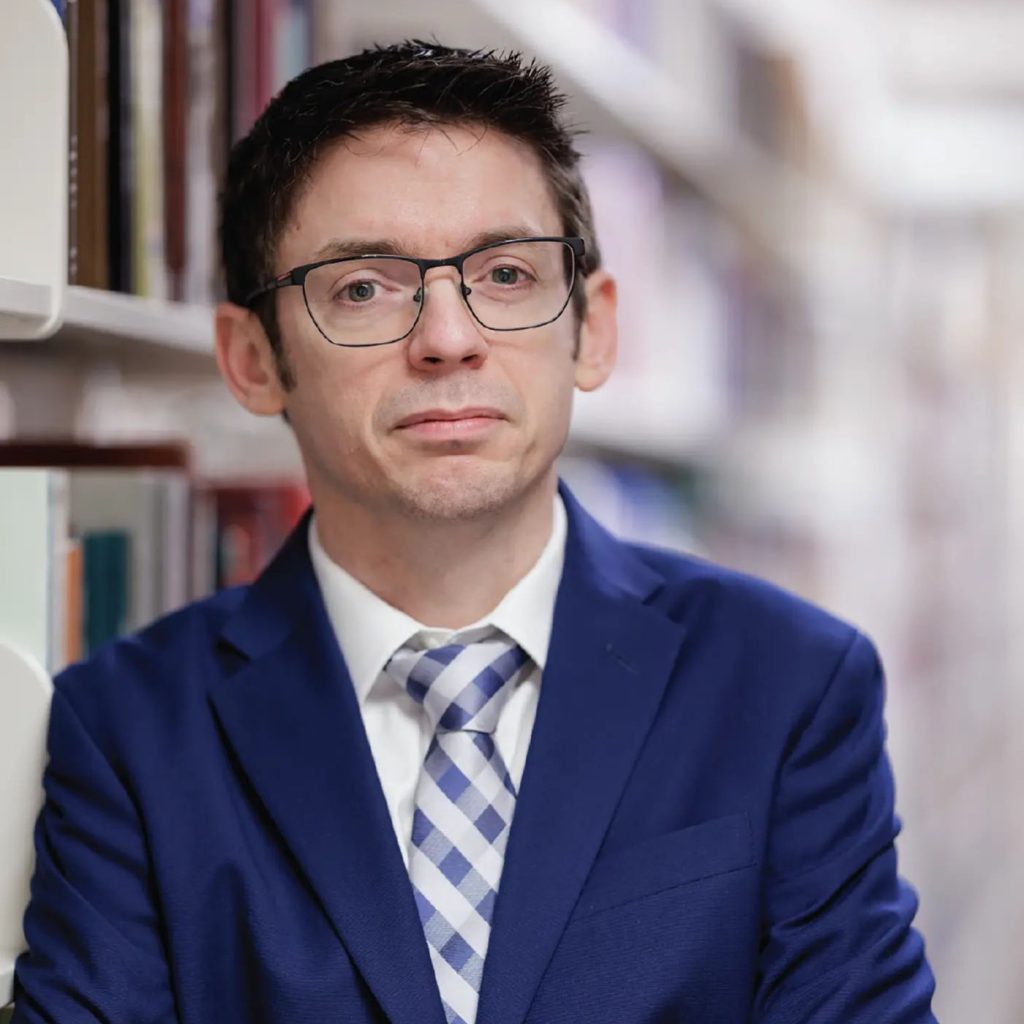
Royce Kimmons is Department Chair of Educational Leadership and Foundations and an Associate Professor of Instructional Psychology and Technology at Brigham Young University where he seeks to end the effects of socioeconomic divides on educational opportunities through open education and transformative technology use. He is the founder of EdTechBooks.org, open.byu.edu, and many other sites focused on providing free, high-quality learning resources to all. More information about his work may be found at http://roycekimmons.com, and you may also dialogue with him on Twitter @roycekimmons.
Keynote Panelists, Thursday, 3/26
Dr. Stacy Giufre is the Director of Italian Studies and the Director of the Italian Language Program at the University of Massachusetts Amherst. Her interests include contemplative pedagogy, teaching with technology, OER creation, and the representation of women in literature. Stacy has co-authored two OER textbooks with Melina Masterson: Tutt* a tavola, vol. 1, and Tutt* a tavola, vol. 2.

Andrew McKinney is the University Director of Research and Publishing Strategy in the Office of Library Services at the City University of New York (CUNY) Central Office. His primary responsibility in that role is to oversee the CUNY OER Initiative, a $4 million a year program funded by New York State that supports, promotes, and incentivizes the use and creation of Open Educational Resources and Zero Textbook Cost materials at all the undergraduate serving institutions of CUNY. He is also a founding and active member of Driving OER Sustainability for Student Success (DOERS), a collaborative of higher education systems and state/province-wide organizations that supports the use of OER. Andrew holds a PhD in Sociology from the CUNY Graduate Center and has worked at CUNY in a multitude of roles since 2006.
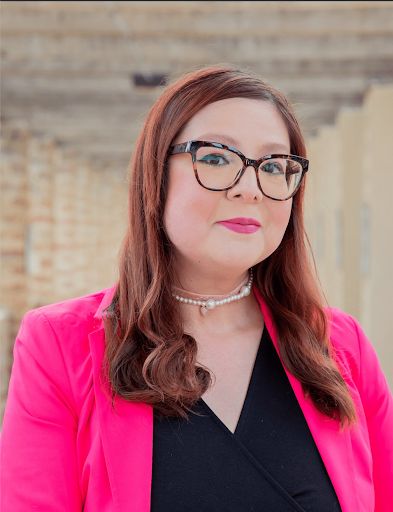
Stacy Ybarra Evans, Ed.D., is the Director of the Center for Teaching Excellence at Our Lady of the Lake University (OLLU), leads the Hispanic Institute for Teachers through Princeton University and is a member of the SXSW EDU 2026 Advisory Board. As a leading advocate for Open Educational Resources (OER), she specializes in high-impact OER training that empowers faculty to reduce student costs while maintaining pedagogical excellence. Dr. Evans is the founder of the AI-Resistant Pedagogy Studio and a recognized expert in ethical AI integration and Universal Design for Learning (UDL). Her work focuses on the intersection of technology and human-centered teaching, ensuring that digital innovation serves to prevent educator burnout rather than accelerate it. She presented, “Combating Burnout: AI and EdTech tools for teacher well-being” at The CB Digital Learning Summit, 2025, OERTX.